Precision machining & grinding
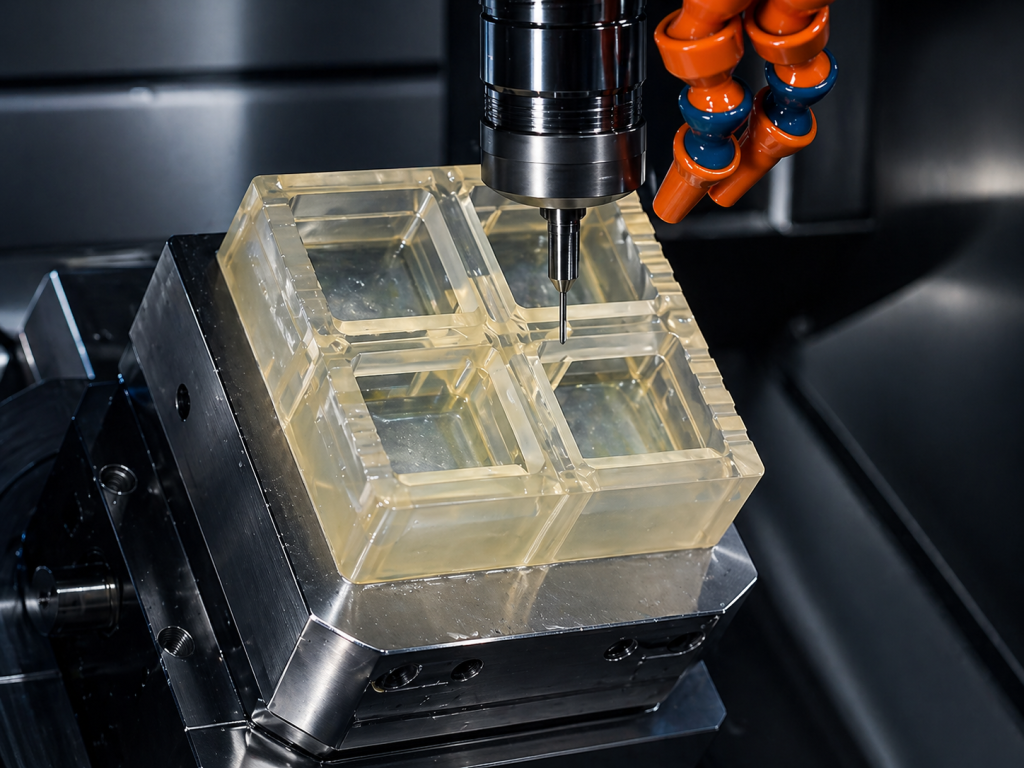
CNC grinding, cutting, and machining for drawing-based tubes, rods, plates, chambers, flanges, and complex geometries requiring repeatable dimensional control.
Material, process route, critical dimensions, and inspection requirements are reviewed before quotation — then coordinated through selected manufacturing partners.
A technically workable quartz component depends on more than nominal dimensions. Material grade, machining or forming route, surface requirements, assembly method, and inspection all need to work together.
The objective is to clarify the requirement before it becomes a production problem — not after.
Flame working, CNC machining, fusion, and polishing solve different manufacturing problems. The route should follow the material, geometry, tolerance, surface condition, and final inspection requirement — not an equipment list.
Explore fabrication capabilities →Each method has a different relationship with geometry, dimensional control, surface condition, and inspection. Final feasibility is reviewed against the drawing.
CNC grinding, cutting, and machining for drawing-based tubes, rods, plates, chambers, flanges, and complex geometries requiring repeatable dimensional control.
Flame polishing, tube forming, bending, flaring, sealing, and custom shaping where controlled thermal processing is part of the manufacturing route.
Burners, connectors, flanges, chambers, and multi-component assemblies joined through controlled fusion work with post-assembly geometry reviewed as needed.
Mechanical polishing, optical polishing, and fire polishing selected according to the component, surface target, dimensional sensitivity, and inspection method.
A workable specification connects the drawing to the actual process and the way the finished component will be inspected.
A clear process matters when the component is custom. The requirement is reviewed before quotation, matched to a workable manufacturing route, verified against the agreed criteria, and coordinated through shipment.
Drawing, application, material, critical dimensions, quantity, and inspection points.
CNC machining, flame working, fusion, finishing, and the route that fits the geometry.
Dimensions, surface condition, sealed integrity, documentation, and agreed acceptance criteria.
Communication, documentation, packing, logistics, and follow-up through one point of contact.

Purity, OH content, wavelength, thermal duty, stock format, geometry, and documentation should be reviewed together before the final grade is selected.
Explore materials →
Material selection, process routes, tolerances, finishing, sourcing, and inspection — organized around decisions that usually need clarification before quotation.
Explore resources →Tight tolerances should follow function, process route, and final inspection — not habit across every dimension on the drawing.
Send a drawing, sample photo, or description of the operating conditions. We will review the requirement, clarify the critical points, and respond with practical feedback.